Services
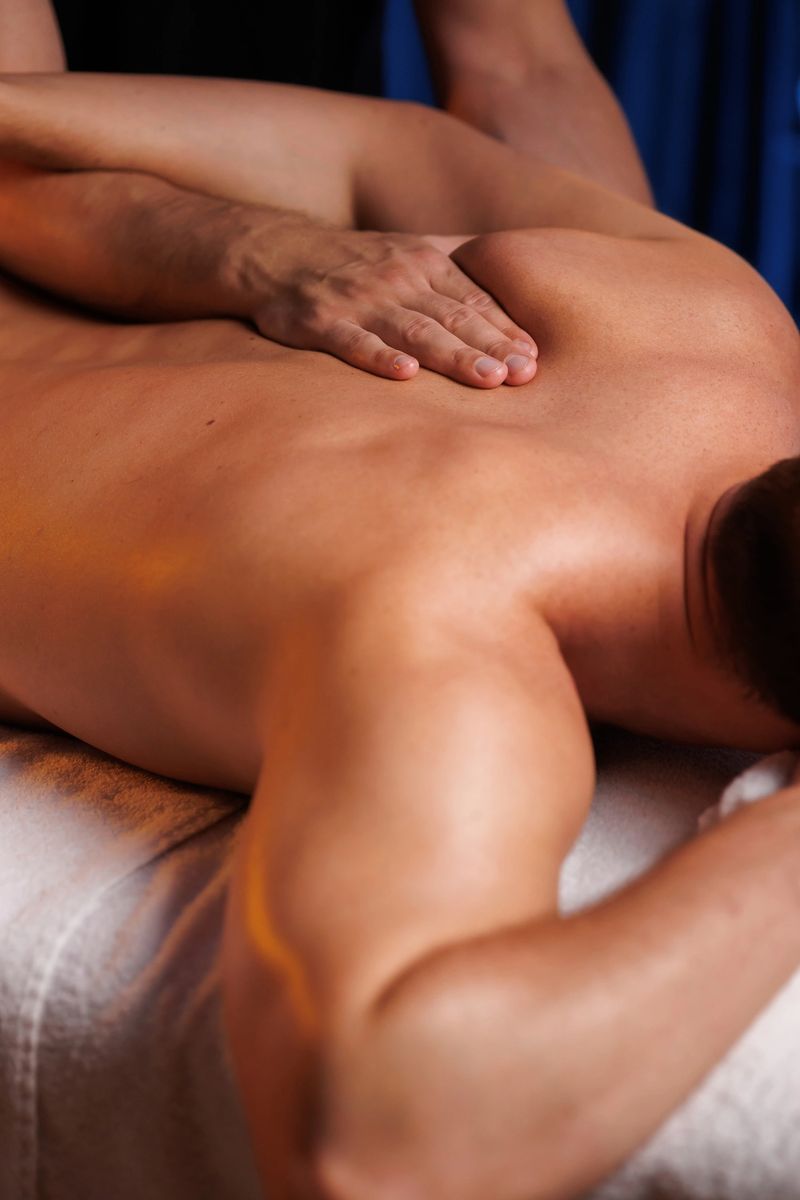
Therapeutic Massage
This type of massage therapy mobilizes soft tissue (such as muscle, fascia, and body fluids) to restore normal systemic and biomechanical/functional use. It is used to assist in the treatment of most musculoskeletal and associated problems. The pressure used is generally deeper, with varying technique and speed. General goals are to decrease muscle tension, scar tissue, and facial restrictions, to stimulate a healing response and increase range of motion. Your treatment plan will be formulated based on your specific condition and needs. Client participation is usually required as active movements and home care exercises are often part of you treatment plan.
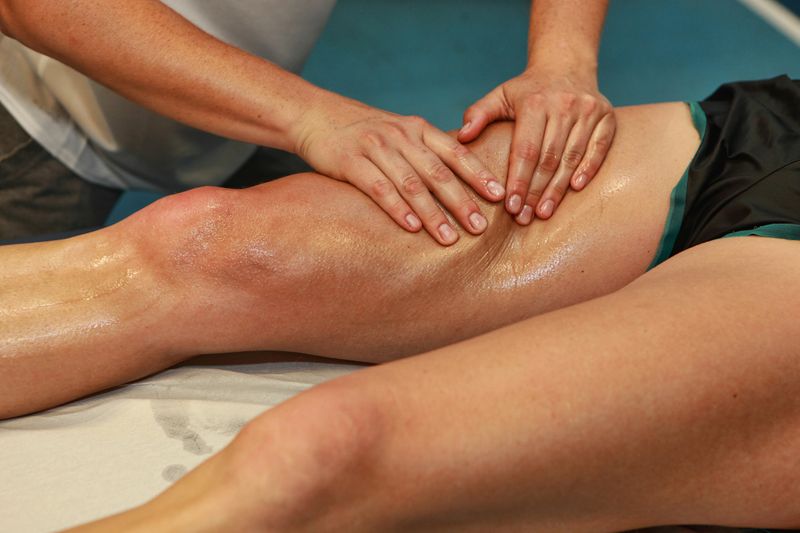
Specific techniques are used to enhance the athletes preparation for, or recovery from the physical demands of training or competition. The therapist usually works on site at the event, or in gyms and training facilities, providing pre-event, inter event, post-event, and restorative/training massage treatments. Clients are not always expected to disrobe as sessions vary in length and consist of many techniques involving active movements and stretching.
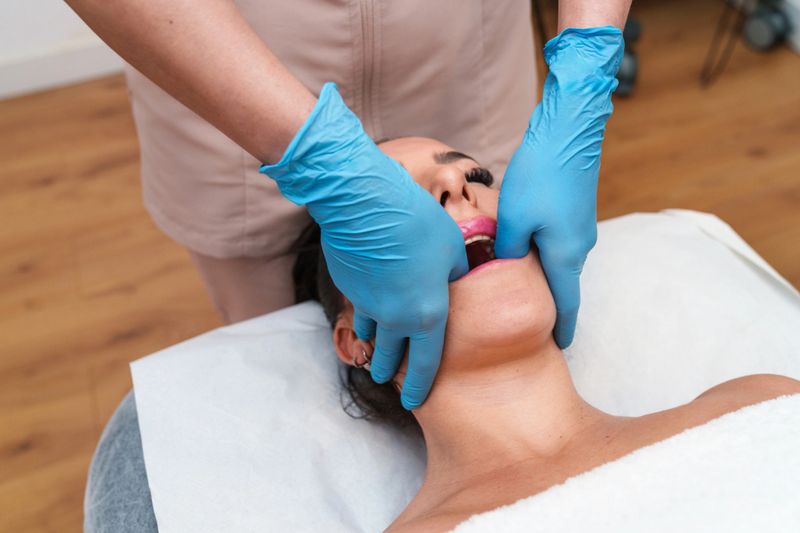
TMJ Massage
The temporomandibular (jaw) joint, like every other joint in the human body, is a lever system moved by muscles surrounding the joint. Dysfunction of the TMJ, associated structures, and muscles used to move the joint can cause a great deal of discomfort. Some common symptoms may include muscular tenderness, pain in the joint, headache, earache or pressure in the ear, noises when opening or closing mouth, limited opening of the mouth, and teeth not fitting together properly. Gentle intra/extra oral massage techniques are very effective in treating symptoms and increasing range of motion. Behavioural modifications such as posture, stress management, and reducing aggravating activities may be suggested.
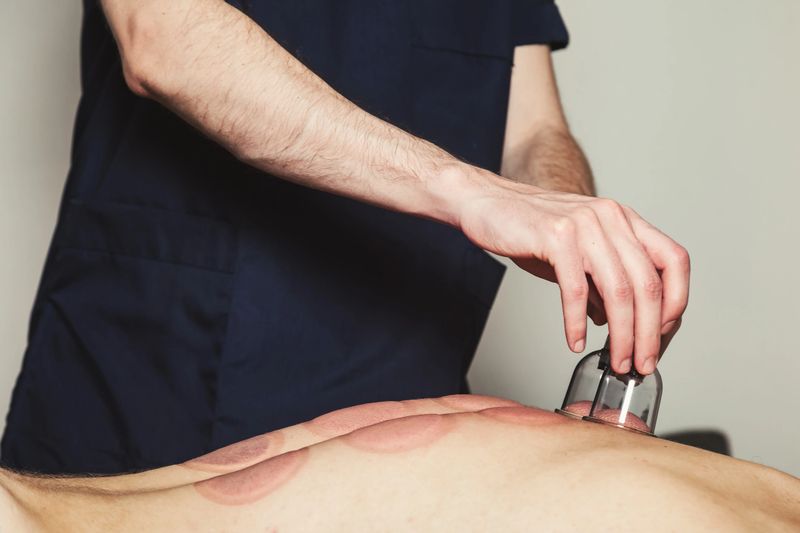
Myofascial Cupping
Experience the Myofascial Cupping Technique™, developed by David Sheehan in 2002. Utilizing suction cups alongside massage cream, this technique is skillfully glided over the body, frequently coupled with joint mobilization for a distinct experience from traditional massage.
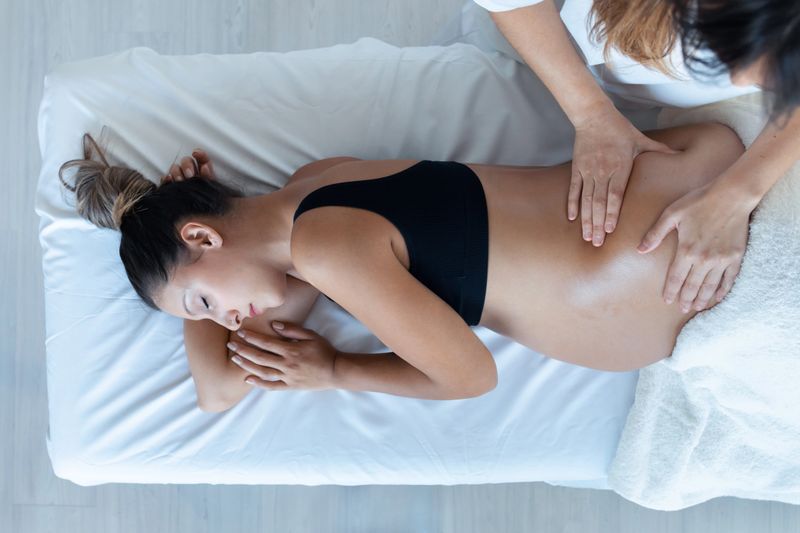
Pregnancy Massage
Pregnancy massage has been proven to be very beneficial in lowing anxiety, back and leg pain, and the stress hormone norepinephrine. It also improves sleep and overall mood, while increasing "feel good" hormones. The side lying position is used with a few extra pillows for comfort. Massage is not indicated during the first trimester or if you have a high risk pregnancy.
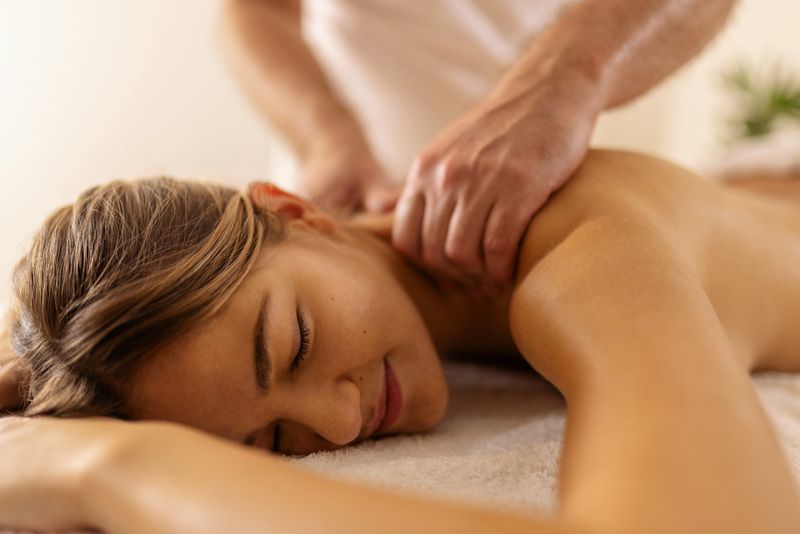
Relaxation Massage
This massage emphasizes stress reduction, using gentle, slow, and rhythmic strokes to send one into a deep state of relaxation. The pressure used is gentle, not focusing on working out "knots". Benefits include decreased blood pressure and heart rate, increased blood and lymphatic circulation, and increased digestive activity. The endorphin release will leave one with a general sense of well being.